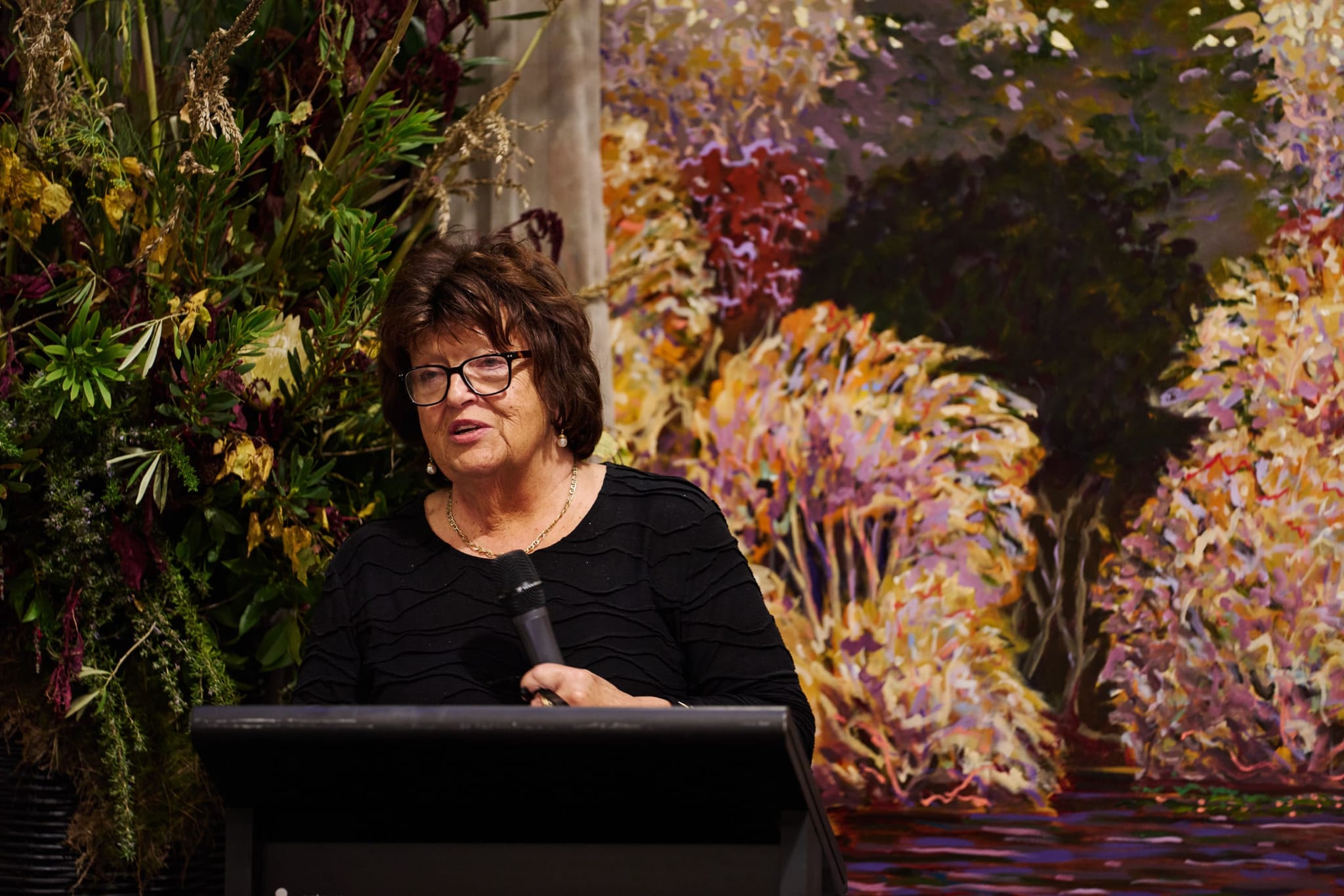
Some of the most experienced operators in the country gathered at Lake House in Daylesford on 1 June for Hospitality Now 2026, the essential forum for food and drink professionals.
The day was built around a single, sobering premise: this is the toughest market the trade has known in living memory, and the businesses that come through it will be the ones that get the fundamentals right. Fixed costs are rising, staffing is under stress and consumer confidence is shaky – but farmers keep farming, producers keep producing, and people still need to eat and drink. The show, as they say, must go on.
Across four sessions, the conversation moved from the financial discipline that keeps a venue solvent, to the brand and consistency that keep it busy, to the marketing that gets it noticed, and finally to the people who make all of it possible.
We’ve captured here some of the key talking points from across the day, but before we jump into that, we’ve got some topline takeaways from Leon Kennedy, host of our first session, How to Make Money in Hospitality, to share:
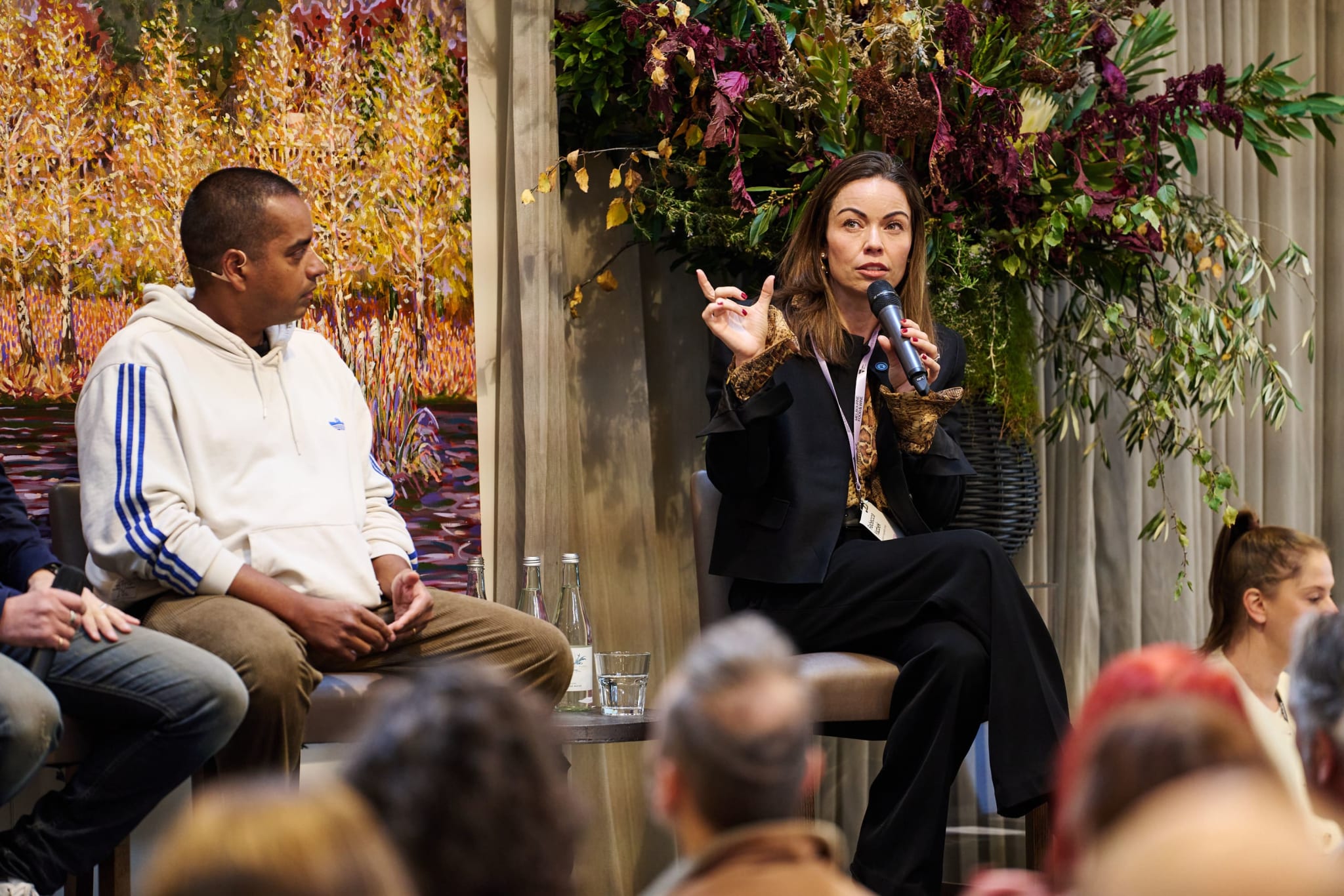
Leon’s hot takes: it’s all about the numbers
“When I asked the audience for a show of hands as to how many people are using a cashflow runway spreadsheet in their business and checking it weekly, fewer than six people out of two hundred raised their hands – and two of them were on stage with me. That’s just not enough. Considering how many times it was referenced throughout the day that the market is tougher than it’s ever been, and only getting worse, I worry about the amazing businesses that might get wiped out in the September BAS, when they could have avoided disaster with some financial basics. It’s really fired me up to get out there and get more people across this critical tool.
“Investing early in people and culture is something that rarely happens. Stomping Ground demonstrated first-hand the amazing benefits that come with making this decision, which is also well depicted in the stats and literature. Guy Greenstone explained it really well: having someone gatekeeping this vital area of their business enabled them to ensure that, on a day-to-day level, everyone in the organisation was motivated and therefore productive.
“When Phil Spry and I walked through the five most important finance processes that you need in your business, I could see people taking notes, which says to me that while not everyone is across the necessary foundations, there’s a clear understanding and appetite for why you need to be. Weekly labour vs revenue forecasting, weekly semi-reconciled dashboards, monthly fully reconciled P&L, annual budget and cashflow runway. Gaps in this foundation are just asking for trouble in a really tricky business climate.
“So many people have reached out since the panel to learn more about the ‘identity/product/consistency/promo’ model. If these are the only four categories that you measure your business on, and you continually build on them, then the data states very clearly that you can outperform whatever volatility surrounds you in the market. It’s great to see people in hospitality embracing fundamentals such as these.”
Key takeaways, as noted by our team
From here, the floor belonged to the panelists. Here’s what our team took down, session by session.
Session 1 | How to Make Money in Hospitality
Featuring Guy Greenstone (managing director and co-founder, Stomping Ground Brewing), Phillip Spry (director, Mawson business advisory) and Rebecca Yazbek (founder and CEO, Edition Hospitality Group). Hosted by Leon Kennedy (CEO and co-founder, Pax Hospitality).

Fundamentals
- Stay true to your brand identity and maintain consistent product quality – these are your anchors in a volatile market. If these slip, everything else becomes harder
- Know who your current customers are vs future customers – treat them differently and understand the ratio
- Loyal, repeat customers are your most valuable asset, so focus on strategies that increase repeat visitation
- Events and functions can be a reliable, high-margin revenue stream
Financial discipline
- Run a weekly pulse check (a mini P&L) for fast, proactive decision making
- Monitor performance constantly, not monthly
- Forecast revenue weekly and ideally daily
- Maintain a monthly reconciled P&L
- Build and follow a 12-month budget
- Track your cashflow runway (how long you can survive)
- Regularly review pricing, suppliers and waste
Cashflow and decision making
- Cashflow analysis and forecasting is critical so you can predict when you may move into the red and plan ahead – focus on buying time to fix larger problems by renegotiating with suppliers or landlord, adjusting staff rosters, or considering raising capital
- Know your numbers and act early before issues escalate
- Cashflow matters more than profit in the short term
- Treat rostering, marketing and operations as financial levers
Staffing and operations
- Venue manager and head chef are critical hires
- Roster based on forecasted revenue (daily view)
- Adjust in real time during service as demand fluctuates
- Plan around weekly patterns (busy vs quiet periods)
- Staff retention is important and rewards don’t always need to be monetary – offer better work-life balance (consecutive days off, for example, or occasional Saturdays off)
Core takeaways
- Get the fundamentals right – clarity and consistency
- Disciplined financial management
- Align staffing and operations tightly to demand
Session 2 | Being Busy: How to Get There and How to Manage it When You Do
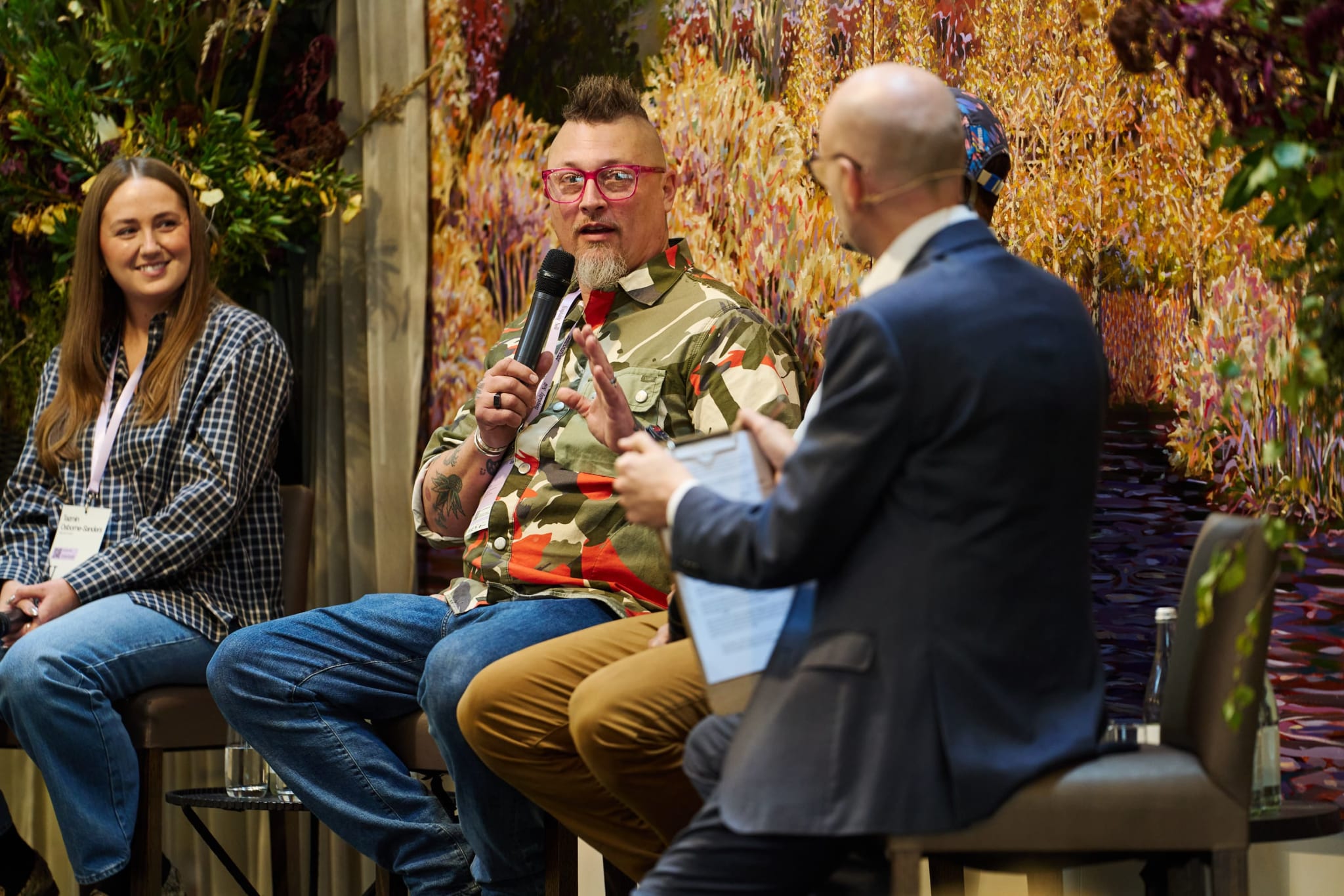
Featuring Benjamin Cooper (executive chef, Chin Chin), Tazmin Osborne-Sanders (brand manager, Hector’s Deli) and Matthew Stirling (co-founder, Caretaker’s Cottage). Hosted by Pat Nourse (creative director, Melbourne Food & Wine Festival).
Planning and growth
- You need to plan for both extremes – being very busy and being quiet
- If systems and structure aren’t in place, you won’t cope when volume hits
- Growth becomes easier as you scale if you hire well and lean on experienced staff
Getting busy (demand and brand)
- Social media is a key driver of early growth, especially for new venues
- Awareness brings people in, but product and experience are what keep them coming back
- Customers are buying into a brand, not just food or drinks
Venue examples (different models that work)
Chin Chin:
- Constantly researches what makes a great dining experience
- Tests ideas to stay relevant and evolve over time
- New ideas are tested on a small scale rather than changing everything
- Move into Sydney reflects a willingness to challenge themselves in new markets
- Events and corporate bookings are major revenue drivers
- Keeps a consistent core menu
Hector’s Deli:
- Focuses on simplicity and accessibility
- Location is critical to their success
- They don’t change their menu
- Keep opening days and hours consistent
- Makes it very easy for customers to build habits
Caretaker’s Cottage:
- Changes its menu every month
- Keeps regular customers engaged while maintaining quality
- There is no single correct model – clarity, consistency and discipline in execution matter most
Consistency and product
- Consistency is what keeps you busy long term – it applies to product, service, operations and overall experience
- If consistency drops, customers don’t return – consistency drives repeat business
- Don’t let high demand dilute quality
- Design dishes with integrity and high standards first, not for operational convenience, then figure out how to deliver them at scale
- Melbourne customers are highly discerning and notice drops in quality
Service and guest experience
- Managing queues is part of the experience
- Chin Chin acknowledges customers waiting and engages with them
- Staff keep the mood positive and improve comfort (offering ponchos in bad weather, for example)
- The experience starts before the guest enters the venue
- If customers wait to get in, internal operations must be efficient
Staffing, team and systems
- Staff quality has the biggest impact on whether customers return
- As venues get busier, maintaining staff quality becomes more difficult and more important
- “Clarity is kindness” – clear communication with your team is essential
- Expectations should be obvious and consistent
- Important processes should be documented
- Create a central “source of truth” for operations (SOPs, systems)
- Systems reduce decision-making pressure during busy periods, help maintain consistency, and allow teams to perform under pressure
- Shift supervisors are critical during busy service – they manage quality control and resolve issues in real time
Feedback and leadership
- Always ask for feedback from staff and customers
- Respect feedback – it shows people care about the business
- Use feedback to improve systems and operations
- Be accountable and willing to learn
- Leadership requires discipline, strong processes and resilience
- Develop a thick skin and accept failure as part of growth
- Chin Chin focuses internally and ignores external noise or criticism
Hospitality mindset
- Hospitality is about generosity and looking after the guest
- Small gestures create strong word of mouth – giving away incorrect dishes is better than wasting them, and complimentary items like coffee or food can build goodwill
Regional perspective
- Regional venues need to match metro standards in food, drinks and service
- Operators should study who is doing well locally and understand why
Core takeaways
- Product, brand and awareness help you get busy
- Consistency, systems and staff quality are what allow a venue to stay busy
- Integrity in the product and respect for the guest underpin everything
Session 3 | Stop Wasting Your Time on Social: Marketing Online and Off in 2026
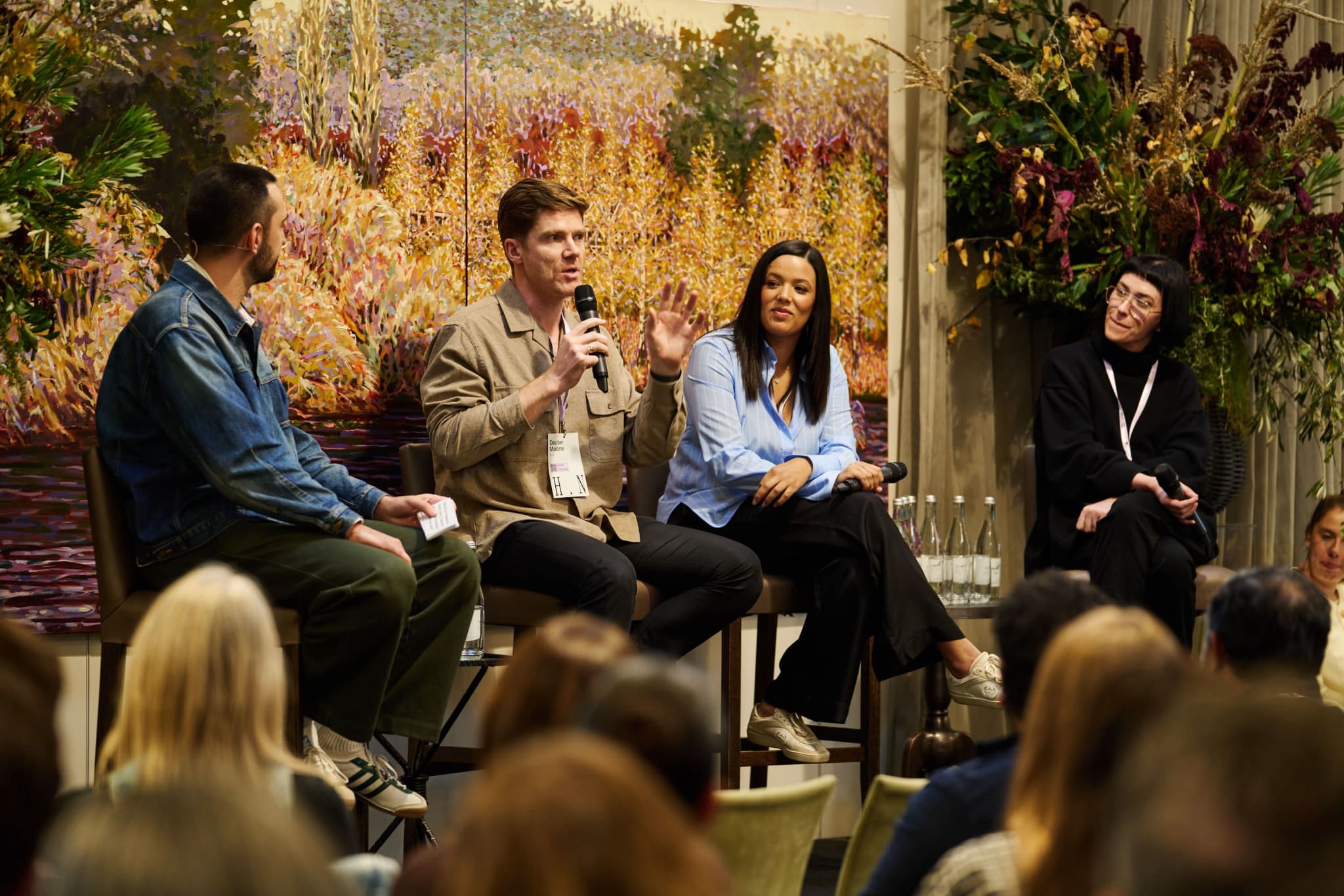
Featuring Megan Evans (director, Plenty Of), Hannah Nickels (head of strategy and operations, Bolster) and Declan Malone (client partner, TikTok). Hosted by Rick Stephens (head of content, Melbourne Food & Wine Festival).
Customer journey and discovery
- The customer journey can sometimes collapse into a single piece of content – one video can take someone from discovery to inspiration to consideration to booking intent
- Social platforms are no longer just awareness tools – they are conversion tools
- TikTok has shifted search behaviour; many users now search on TikTok before traditional search engines
- Social search is now the norm, especially for Gen Z
- Reviews, recommendations and discovery are happening inside TikTok
Content strategy and positioning
- Don’t post just to be seen
- Every piece of content needs a narrative and should offer something to the audience
- Focus on a clear niche – don’t try to be everything to everyone. Choose a narrow content strategy you can execute really well
- TikTok is powerful for identifying and reaching subcultures (Queensland tourism, for example, tapped into the Bluey audience, unlocking a new family segment)
- Niche formats work well
- A mix of brand content and creator content is most effective – creators can communicate ideas or pain points that traditional marketing cannot
Content creation principles
- Authenticity is critical
- Don’t start with the goal of going viral – focus on telling a true and meaningful story
- Perfection is not the goal; authentic, imperfect content often performs better than highly polished content
- The highs and lows of a story are what make content interesting
- Creative tension drives engagement
- Use familiar formats in unexpected ways
- Introduce unexpected angles or talent
- Execution quality is secondary to the strength of the idea and story
- There is a place for all levels of production – low-fi, mid-fi and high-fi all have a role. High-fi suits key moments like launches or long-term assets; low-fi is effective for everyday content and consistency
Practical content execution
- Use captions on videos
- Frame content using commonly searched terms
- Use platform tools to identify trends and search behaviour
- Consistency is key – post three to five times per week
- Stay within the same category or interest area
- Tag content correctly so it is discoverable
- Find a content style you can sustain regularly
- Even with limited time or budget, all you need to make a start is a phone – build consistency from there
- An outsider perspective can be valuable; others may see stories or angles you miss. This doesn’t need to be an agency – it could be a friend or local connection
Experimentation and learning
- Fail fast and iterate – trial and error is part of the process, and not everything will work
- Don’t jump on trends unless they align with your brand
- Aim for a balance of 70 per cent brand-building content and 30 per cent reactive or culturally relevant content (such as events like MFWF)
Measurement and impact
- Define what success looks like and how you measure it
- Understand what drives ROI – social platforms give early signals of customer interest and engagement, and you may see response trends before they show up in revenue
- Some booking platforms integrate directly with social channels, allowing clearer tracking of what content is driving bookings
- TikTok content can influence offline behaviour and culture
AI and content
- Don’t use AI to generate content itself – it removes authenticity and the human element
- AI is useful operationally and can help repurpose content (cutting longer videos into shorter clips, for example)
- AI can support workflows but should not replace your voice
- If you’re using AI for support (with captions, say), ensure it still sounds like your brand
Marketing beyond social
- Offline marketing remains powerful
- Multi-channel activity can have strong impact
- This doesn’t need to be traditional advertising – use community, events, listings and partnerships
Core takeaways
- Social is now both a discovery and conversion channel
- Strong content is driven by clarity, authenticity and consistency
- Niche focus beats trying to appeal to everyone
- Story matters more than production quality
- Consistency and experimentation drive results
- Human, authentic content outperforms artificial or overly polished work
Session 4 | Good People: Where to Find Them, How to Cultivate Them, How to Keep Them
Featuring Leanne Altmann (beverage director, Trader House), Dan Hunter (chef and co-owner, Brae) and Christian McCabe (co-founder, Embla). Hosted by Angie Bradbury (executive director, Collective Foundation; director, Bradbury & Co).

Brand, values and behaviour
- Use external resources if needed to help clearly articulate your brand, values and mission
- This should guide the behaviours expected across the business
- Clear values make it easier to train, develop and align staff
Training versus development
- Training and development are not the same – training is skills and knowledge, development is growth of the person, mindset and long-term capability
- Focus on developing people, not just teaching tasks
- Staff with ambition are valuable, but expectations must be realistic
- Promoting too quickly can lead to burnout and set people up to fail
Training approach
- One-on-one coaching during service is one of the most effective forms of training
- Practical coaching should complement formal theory-based learning
- Four pillars of training: formal training (structured programs, WSET accreditation); management training (group-level training for managers, covering rostering, time management, financial understanding); in-venue training (menu tastings, wine tastings, skill-based sessions); and on-the-floor coaching (real-time feedback and development during service)
Investment in people
- Training and education should extend beyond normal rostered hours
- Businesses should consider paying for training time
- The return may not be immediately visible on a spreadsheet – the long-term benefit is stronger, more capable people
- Commitment to education helps nurture and retain staff
Progression and career pathways
- Set clear standards for progression
- Keep development grounded in reality
- Ask: what is the individual’s end goal, and how can the business support it?
- There is a need for more structured career pathways in hospitality
- Industry training often lags behind how fast the industry is evolving
- Hospitality needs to better communicate the positives of the industry and highlight career opportunities, sense of community, connection to produce, and a dynamic and flexible working environment
- Entry-level training should be more holistic – not just technical skills (such as cooking), but also business understanding, financial literacy, and behaviour and communication
Culture
- Culture exists whether you actively shape it or not – the key question is whether it is a good one
- The owner or leader must set the tone; culture starts at the top and flows through the team
- Strong leadership creates consistency in guest experience
- Culture described as a “benevolent cult” – creating a sense of belonging and ownership among staff
- Shared experiences within teams strengthen culture, building connection and alignment
Leadership and communication
- Leaders must actively communicate and reinforce standards
- You cannot complain your way out of problems – action is required
- Listen to your team: what is working well, what is not working, and what they want to learn
- Address issues directly and constructively
Improving as an operator
- Operators should develop their ability to train others – not everyone naturally knows how to teach
- Investing in better training capability improves overall team performance
- Stay connected to the industry and keep informed on trends and developments
Core takeaways
- Strong culture starts with clear values and leadership from the top
- Training should combine formal learning, in-venue practice and real-time coaching
- Development should focus on the person, not just the skillset
- Investing in people delivers long-term returns, even if not immediately visible
- Clear progression pathways and realistic expectations prevent burnout
- Listening to and developing your team is critical to building a sustainable business
And the last word, fittingly, goes to one of the pearls offered by Lake House founder Alla Wolf-Tasker AM in her rousing remarks: “People often say to me, ‘I’m worried about putting all this time into training people who might just up and leave’. And I say to them, ‘I’m more worried about what will happen if we don’t train them and they stay’.”